This is the multi-page printable view of this section. Click here to print.
Heltec Devices
- 1: Heltec T114
- 2: Heltec v3
- 3: Mesh Pocket
- 4: Paper Mesh
1 - Heltec T114
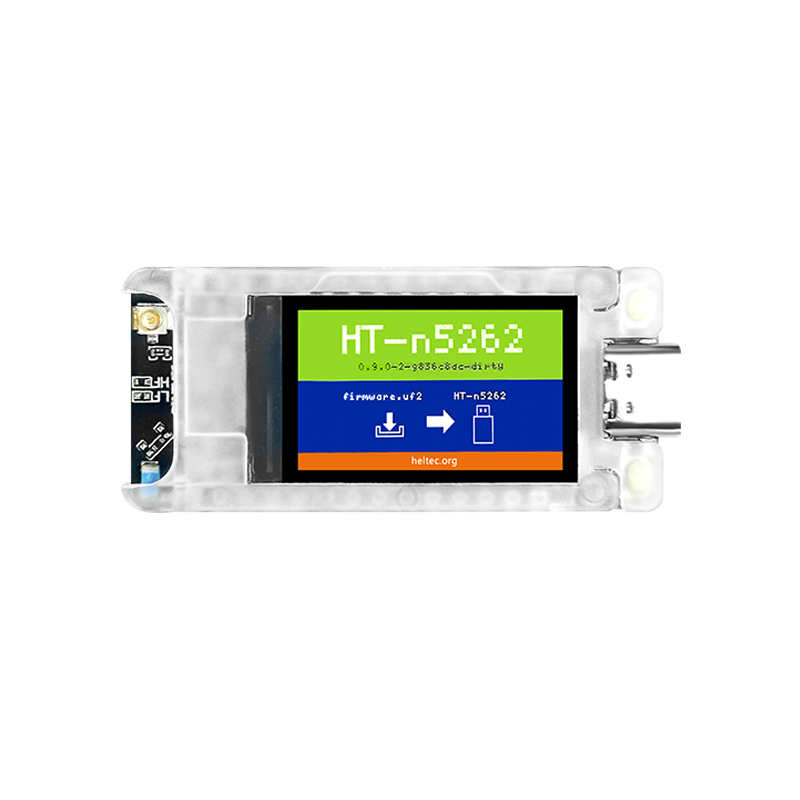
Heltec T114
Intro: The Heltec T114 is a modular, low‑power Meshtastic‑ready node built on the Nordic nRF52840 platform. It’s designed for flexible power options, outdoor deployments, and expansion with GPS or display modules, making it a versatile choice for both portable and backbone roles.
Key Features:
- Nordic nRF52840 MCU with Bluetooth 5.0 support
- SX1262 LoRa transceiver for long‑range communication
- Frequency options: 433 MHz, 470–510 MHz, 863–870 MHz, 902–928 MHz
- Optional 1.14″ TFT‑LCD display
- Optional GNSS module via dedicated interface
- Multiple power interfaces:
- USB‑C
- 2×1.25 lithium battery connector
- 2×1.25 solar panel connector
- 8×1.25 GNSS interface
- U.FL/IPEX antenna connector for LoRa + integrated 2.4 GHz patch antenna
- Firmware flashing via UF2 drag‑and‑drop (DFU mode with reset button double‑click)
Considerations:
- Optional modules (GPS, display) add cost and complexity — clarify operator needs before purchase
- Requires external antenna for optimal LoRa performance
- Firmware flashing workflow differs from ESP32 boards (UF2 vs USB serial)
- Best suited for solar‑powered or semi‑permanent nodes in outdoor deployments
- More expensive than entry‑level Heltec boards, but offers better modularity and power flexibilit
2 - Heltec v3
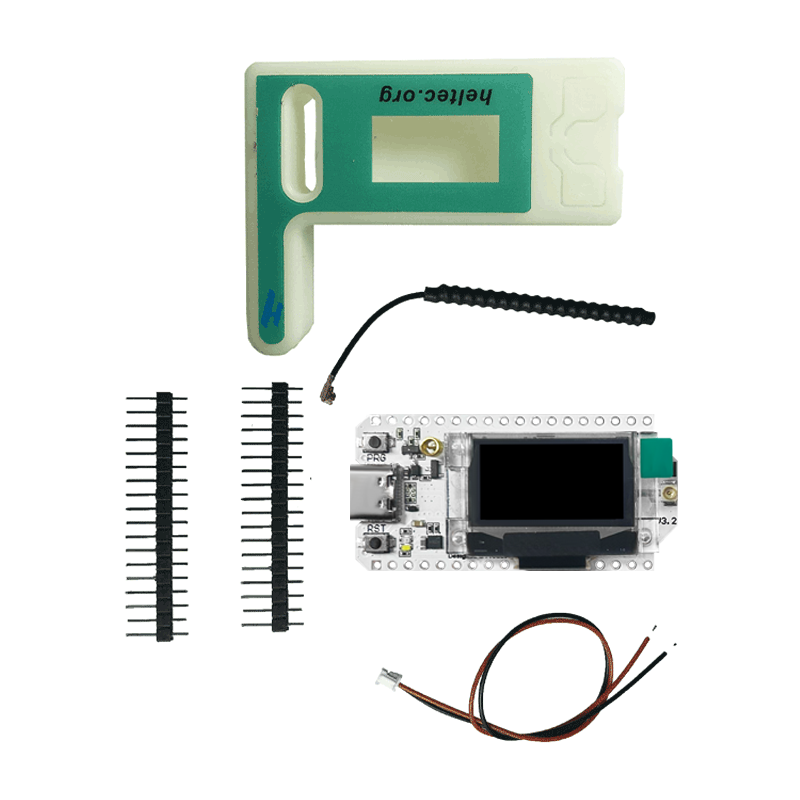
Heltec LoRa 32 V3
Intro: Compact and budget-friendly, the Heltec V3 is a go-to for beginners and lightweight deployments.
Key Features:
- ESP32 MCU with integrated SX1262 LoRa
- Small OLED display for status
- USB-C interface
- Affordable and widely available
Considerations:
- Limited battery options (often USB-powered)
- Smaller antenna connector may limit range
- Best suited for indoor or short-range nodes
3 - Mesh Pocket
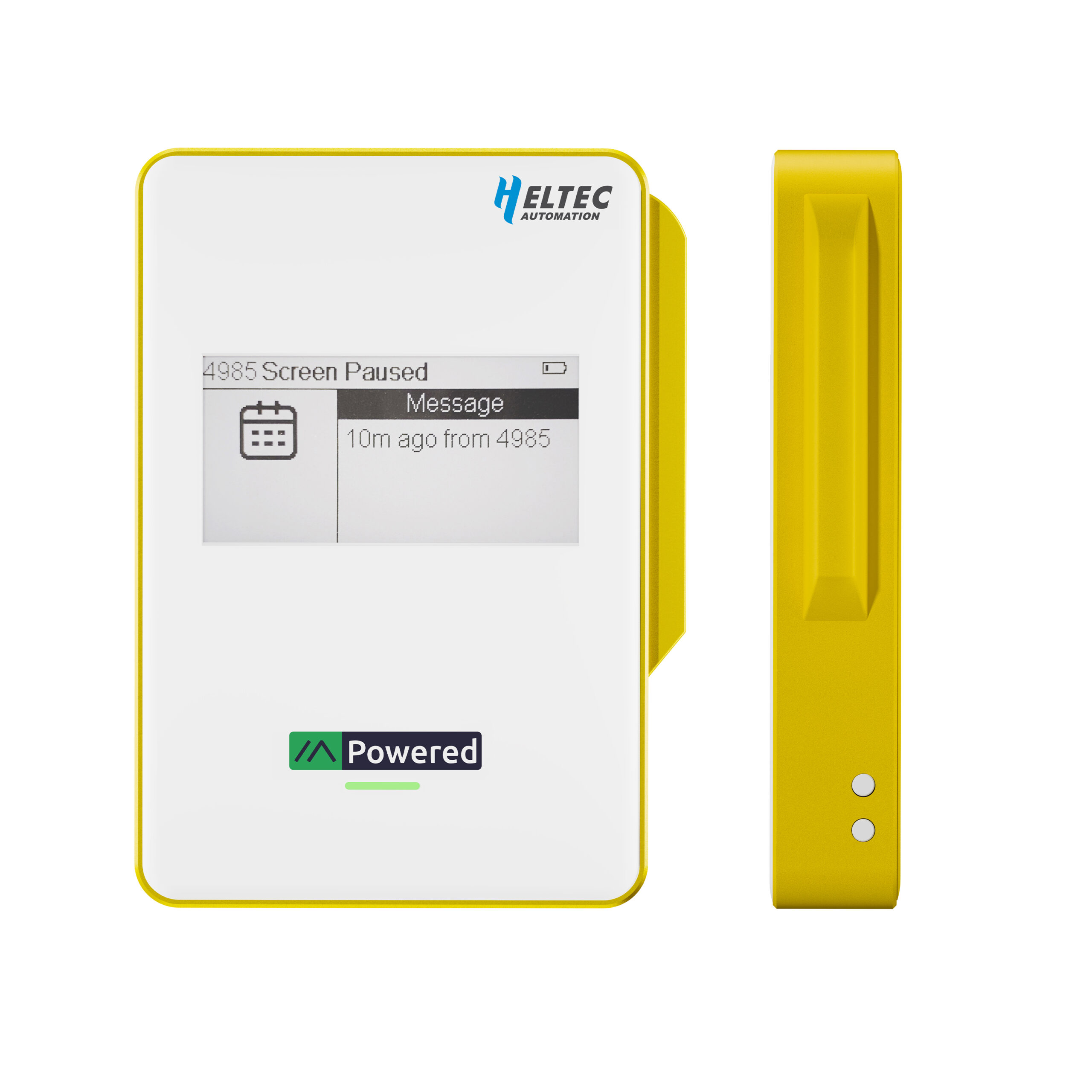
Heltec MeshPocket
Intro: The MeshPocket is Heltec’s newest Meshtastic device, blending a daily‑use power bank with integrated LoRa communication. It’s built around the Nordic nRF52840 MCU and SX1262 transceiver, with a sleek design that makes it easy to carry while still serving as a reliable mesh node.
Key Features:
- MCU: Nordic nRF52840 with Bluetooth 5.0
- LoRa Transceiver: Semtech SX1262
- Frequency Options: 863–870 MHz or 902–928 MHz
- Display: 2.13″ e‑ink screen for low‑power status updates
- Battery: 5000 mAh or 10000 mAh options
- Charging: Qi2 magnetic wireless charging + USB‑C
- Connectors: Magnetic pogo pin cable for firmware flashing
- Form Factor: Pocket‑sized, designed for daily carry and outdoor use
Considerations:
- Firmware flashing requires the magnetic pogo pin cable (not standard USB).
- No physical buttons for messaging — interaction is limited to display and app pairing.
- Best suited for activators or everyday users who want a dual‑purpose device (power bank + mesh node).
- Battery life is excellent, but the larger 10,000 mAh version adds bulk.
- Ideal for off‑grid scenarios like contests, outdoor exploration, or emergency communication.
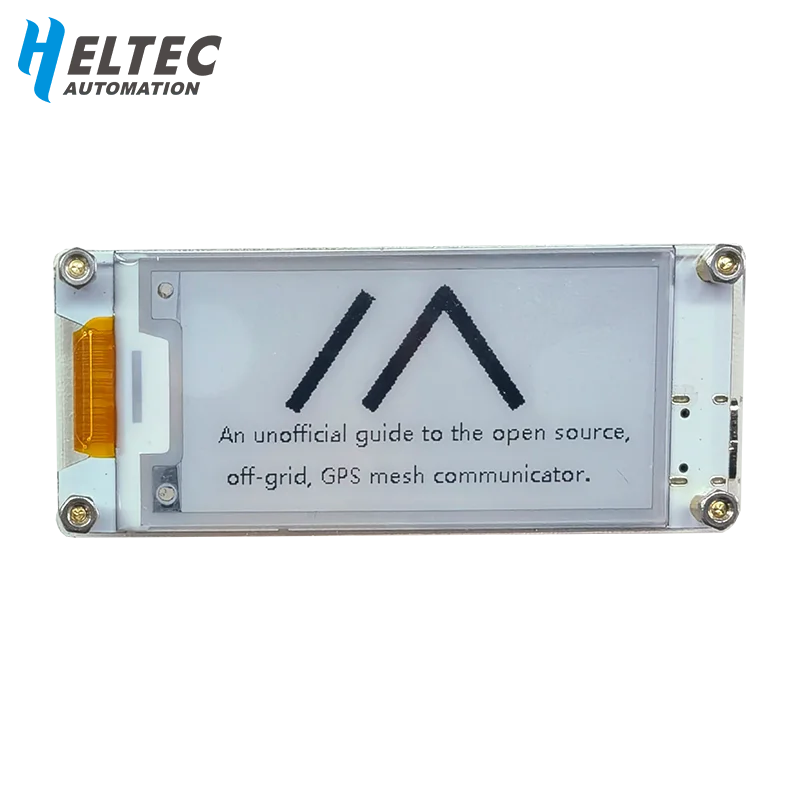
4 - Paper Mesh
Heltec Wireless Paper (Paper Mesh)
Intro: The Wireless Paper is Heltec’s e‑ink variant of their LoRa boards, built for Meshtastic. It combines the ESP32 MCU with the SX1262 LoRa transceiver and a 2.13″ e‑ink screen, making it ideal for low‑power, always‑visible status displays in a mesh network.
Key Features:
- MCU: ESP32‑S3FN8 with Wi‑Fi and Bluetooth support
- LoRa Transceiver: Semtech SX1262
- Frequency Options: 433 MHz, 470–510 MHz, 863–870 MHz, 902–928 MHz
- Display: 2.13″ e‑ink screen (black/white, ultra‑low power)
- Connectors: USB‑C for power/programming, U.FL/IPEX antenna connector
- Form Factor: Slim board with acrylic protection option
- Power: SH1.25 battery connector for external Li‑Po packs
Considerations:
- Screen support varies by firmware version — some revisions (e.g., V1.1.1) had issues with e‑ink compatibility.
- No case included — operators often need to 3D‑print or adapt enclosures.
- Best for fixed or semi‑portable nodes where low‑power display is useful (status, packet counts, node ID).
- Not as rugged as Station‑class devices — better suited for hobbyist or indoor deployments.
- Affordable option (~$17–20 on AliExpress) compared to OLED boards.