This is the multi-page printable view of this section. Click here to print.
Seed Studio Devices
- 1: Sense Cap Solar
- 2: SenseCap T1000
- 3: WIO Tracker L1
- 4: XIAO ESP32-S3
- 5: XIAO NRF 52840
1 - Sense Cap Solar
Seeed Studio SenseCAP Solar
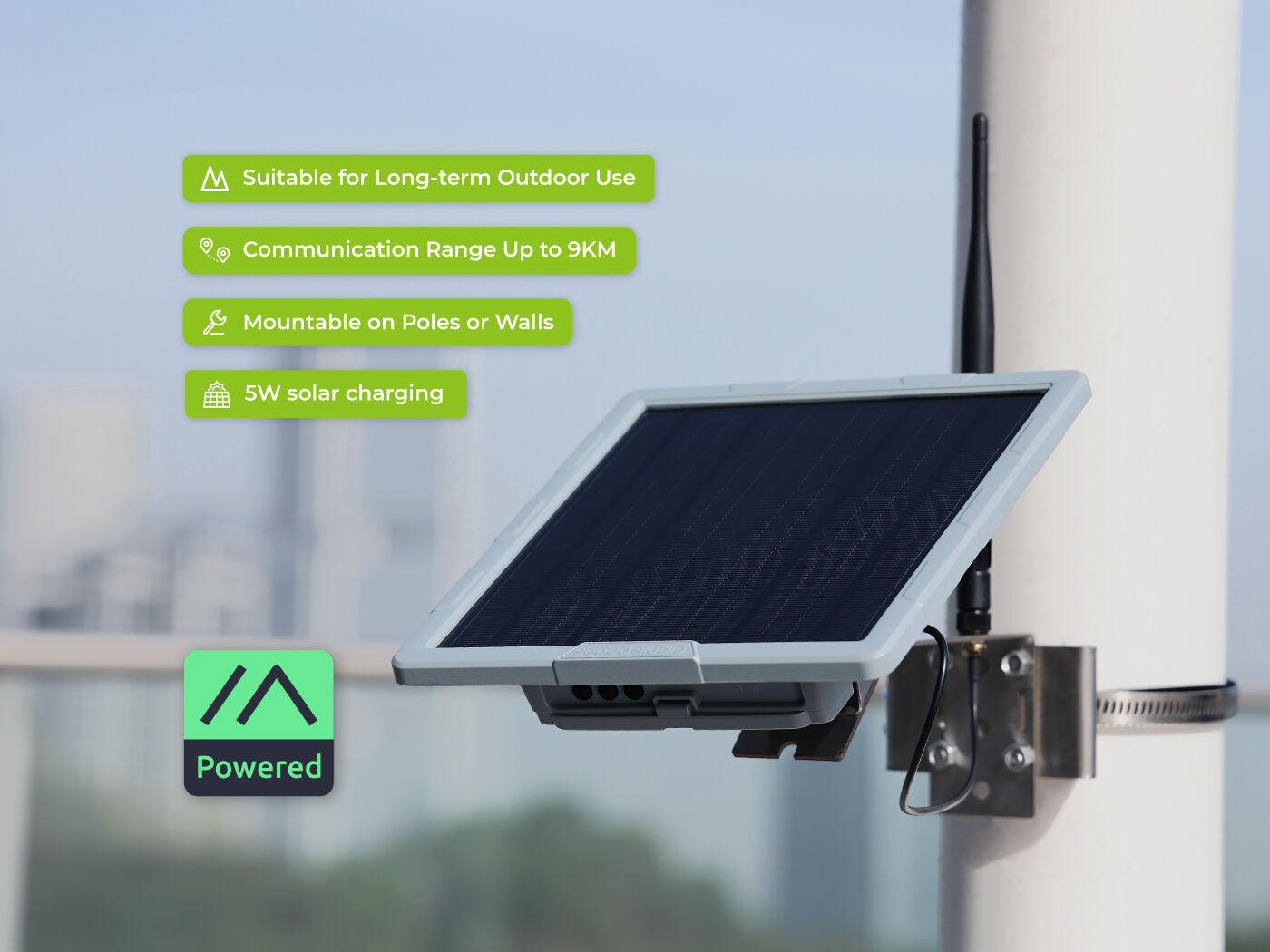
Intro: The SenseCAP Solar is a rugged, outdoor‑ready Meshtastic‑compatible node from Seeed Studio. It’s designed for long‑term deployments with integrated solar charging, weather resistance, and reliable LoRa communication. This makes it ideal for backbone nodes in wide‑area mesh networks like Iowa Mesh.
Key Features:
- MCU: Nordic nRF52840 with Bluetooth 5.0 support
- LoRa Transceiver: Semtech SX1262
- Frequency Options: 863–870 MHz or 902–928 MHz
- Power System:
- Integrated solar panel for continuous outdoor operation
- Built‑in rechargeable lithium battery
- USB‑C port for backup charging
- Enclosure: IP65‑rated weatherproof housing for outdoor use
- Antenna: External SMA connector for high‑gain antennas
- Deployment: Designed for pole or wall mounting in outdoor environments
Considerations:
- Higher upfront cost compared to entry‑level boards (Heltec V3, T‑Beam)
- Larger physical footprint due to solar panel and rugged enclosure
- Best suited for permanent outdoor backbone nodes rather than portable activations
- Requires good solar exposure for reliable long‑term operation
- Ideal for park deployments, club field stations, or rural coverage where power reliability is critical
2 - SenseCap T1000
SenseCap T1000
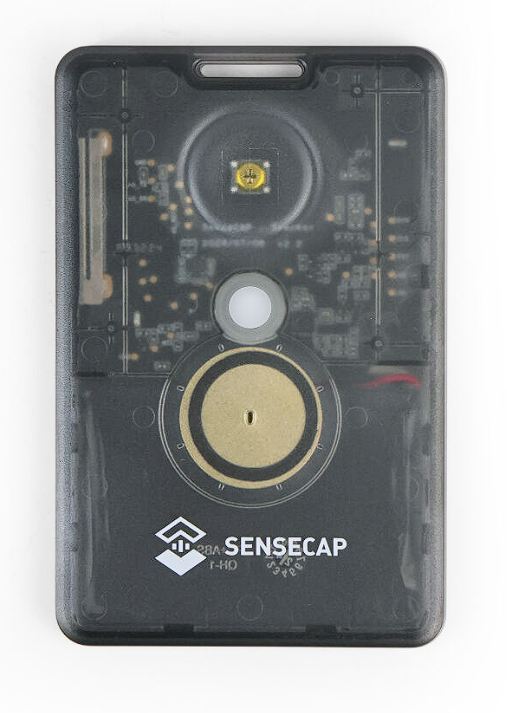
Seeed Card Tracker T1000-E
Intro: The T1000-E is a GPS-enabled tracker designed for mobility, making it ideal for logging movement during contests or field operations.
Key Features:
- GPS integration for real-time location tracking
- ESP32-based MCU with LoRa support
- Compact, card-like form factor
- Rechargeable battery Considerations:
- No screen or buttons (limited UI)
- Dependent on GPS signal quality
- Best suited for activators who need movement logs rather than interactive messaging
The Seeed Studio SenseCAP T1000 is a robust and user-friendly option for Meshtastic enthusiasts. Its combination of GPS tracking, low power consumption, and seamless integration makes it a valuable tool for expanding your mesh network.
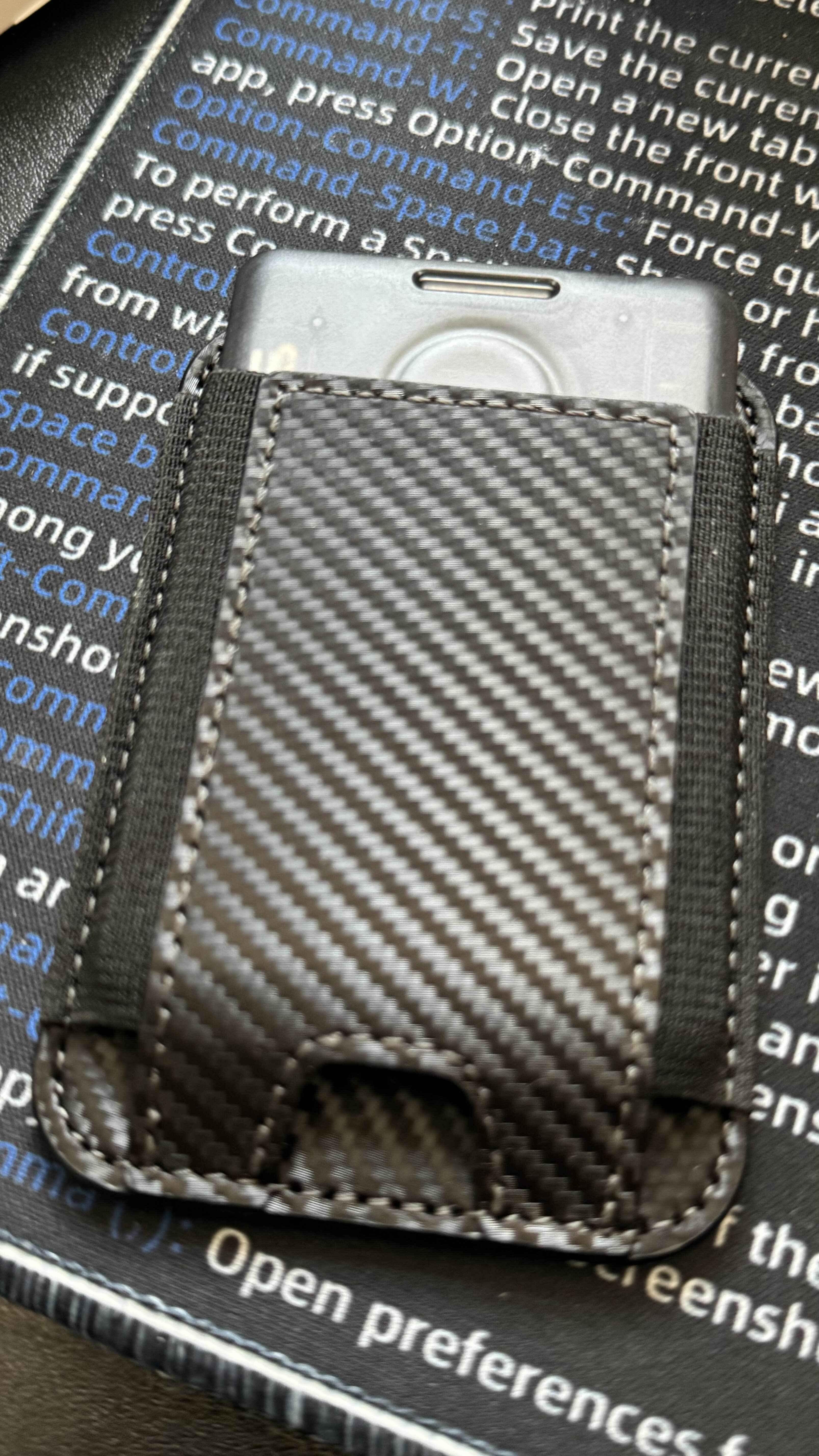
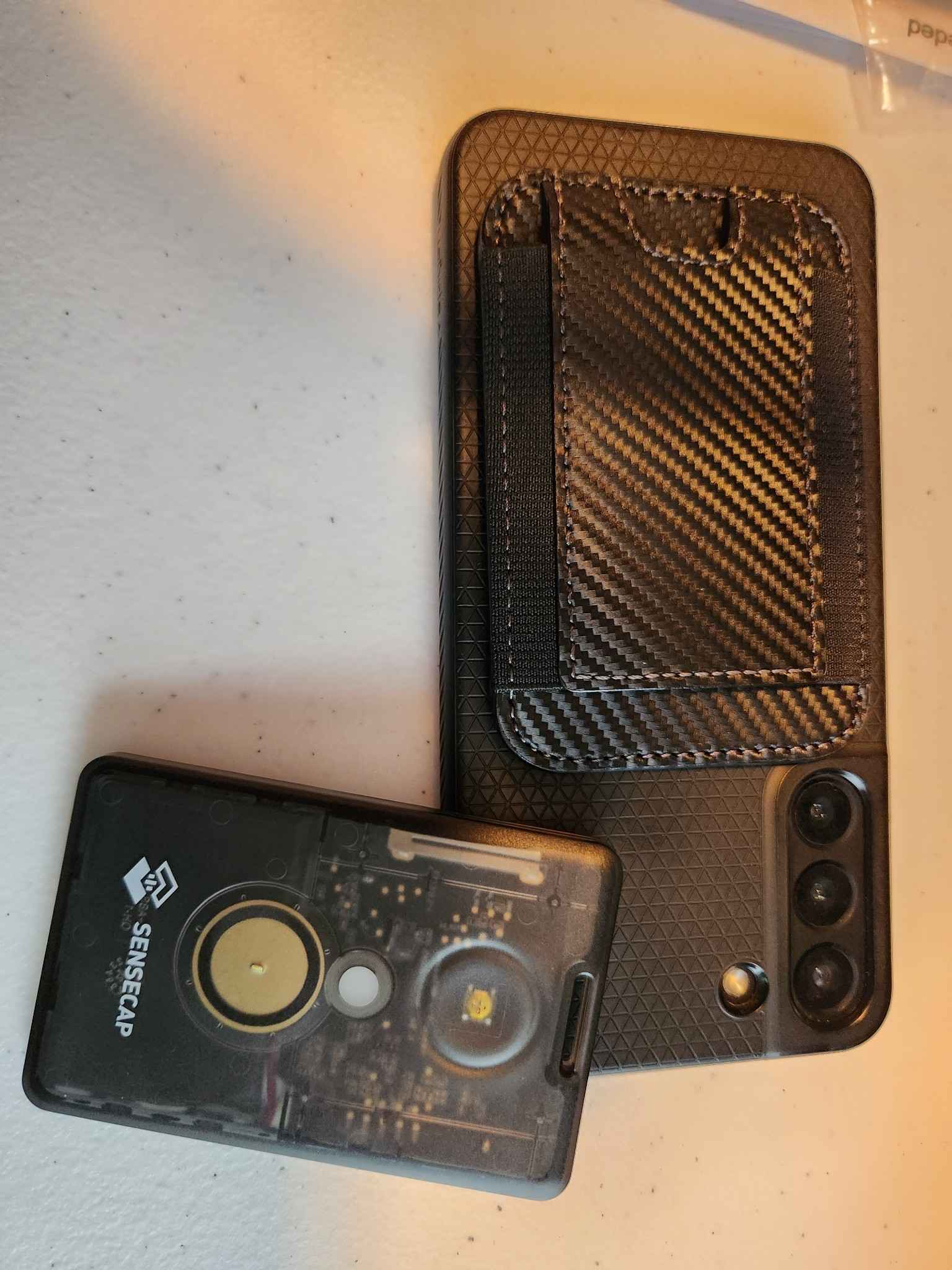
If you have MagSafe capable Phone case there is a MagSafe wallet that holds the t1000 nicely and sticks to your phone case
3 - WIO Tracker L1
Seeed Wio Tracker L1
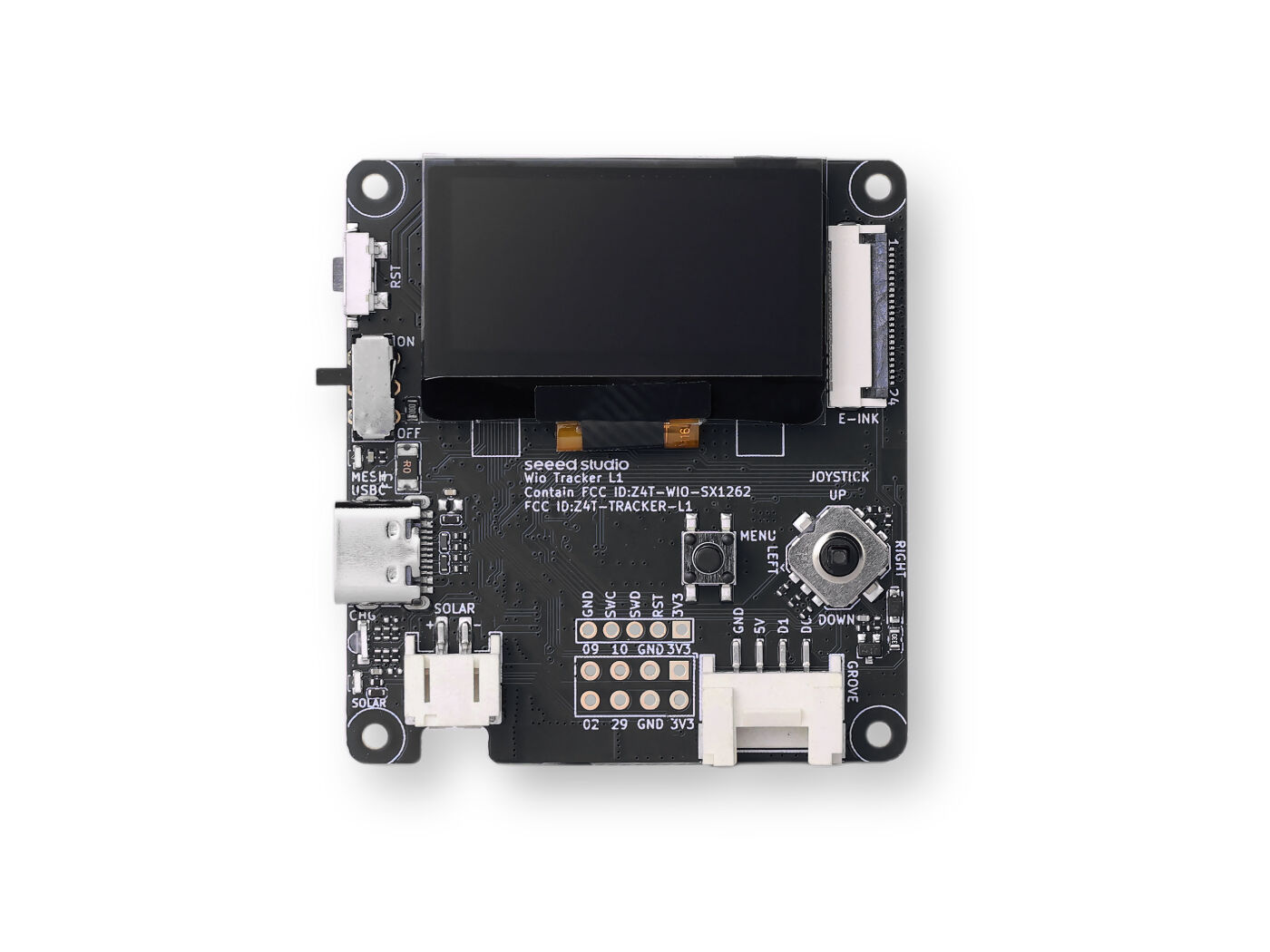
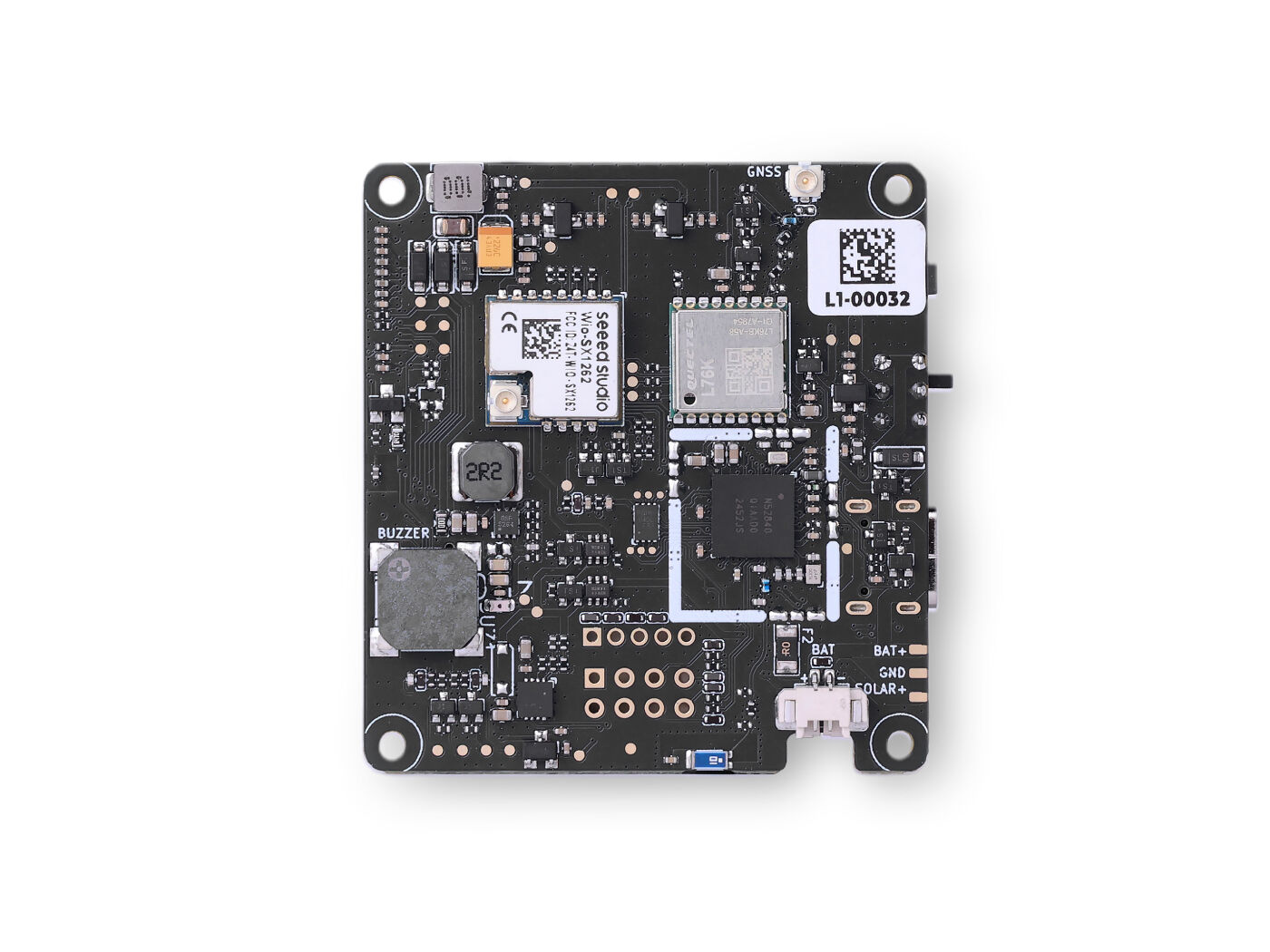
Intro: The Wio Tracker L1 is another GPS-enabled device from Seeed, optimized for IoT and mobile tracking applications.
Key Features:
- GPS + cellular + LoRa connectivity options
- ESP32 MCU for flexible programming
- Expansion ports for sensors and peripherals
- Compact design for portable use
Considerations:
- More complex setup compared to T1000-E
- Requires careful power management for extended use
- Best for advanced users who want hybrid tracking (GPS + LoRa + optional cellular)
4 - XIAO ESP32-S3
IAO ESP32‑S3
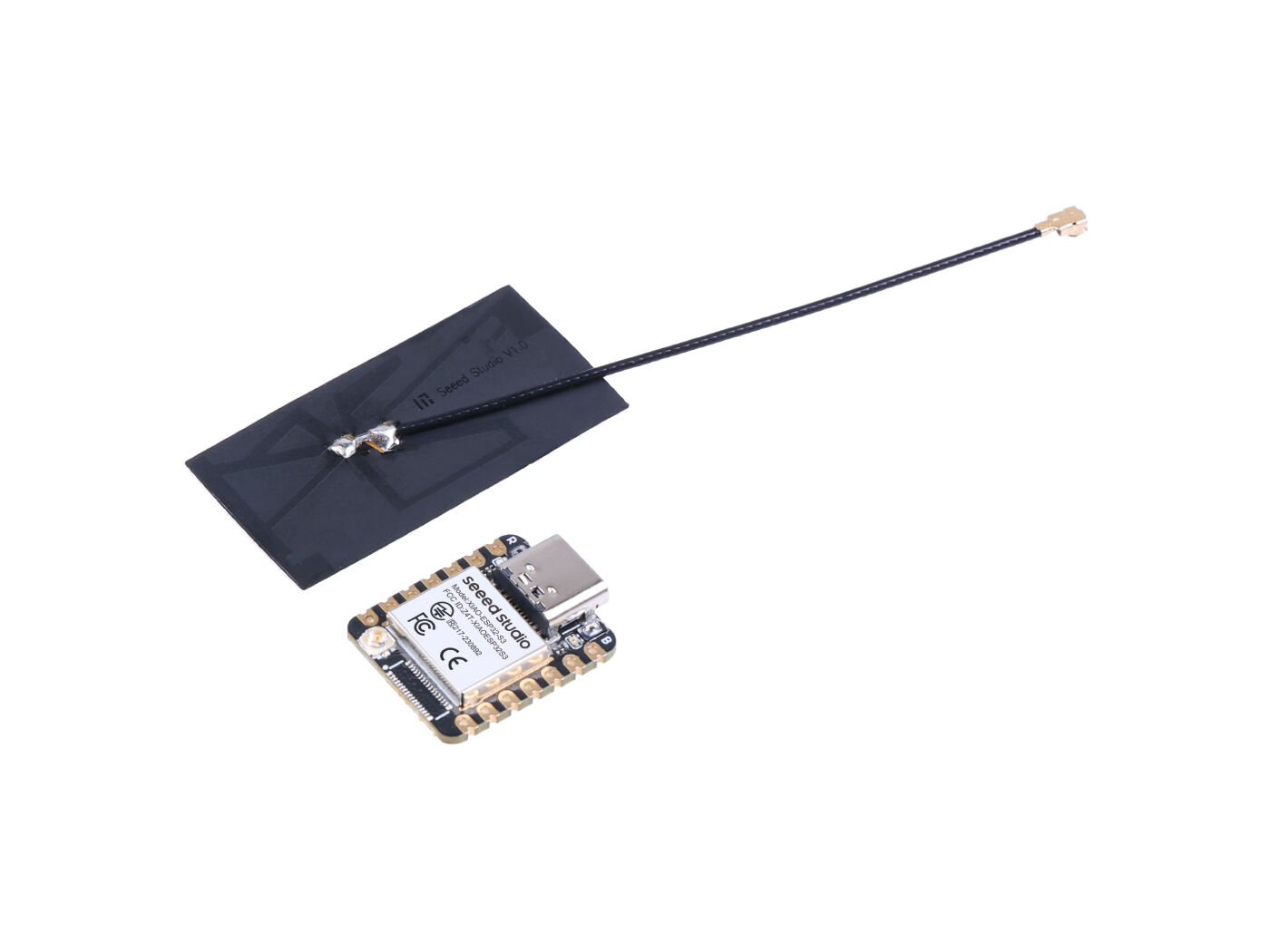
Intro: The IAO ESP32‑S3 is a modern Meshtastic‑compatible board built on Espressif’s ESP32‑S3 microcontroller. It’s designed for high‑performance mesh communication with improved processing power, dual‑core architecture, and expanded memory compared to earlier ESP32 variants. This makes it a strong candidate for both portable and backbone nodes in Iowa Mesh.
Key Features:
- MCU: Espressif ESP32‑S3 dual‑core processor with Wi‑Fi and Bluetooth 5.0 support
- LoRa Transceiver: Semtech SX1262 for long‑range communication
- Frequency Options: 863–870 MHz or 902–928 MHz
- Memory: Expanded RAM and flash compared to ESP32‑WROOM boards, enabling more complex firmware features
- Interfaces: USB‑C for power and programming, GPIO expansion for sensors or peripherals
- Antenna: SMA or U.FL connector depending on board revision
- Form Factor: Compact PCB designed for easy integration into enclosures
Considerations:
- Newer firmware builds may be required to fully leverage ESP32‑S3 features (ensure Meshtastic version compatibility)
- Power draw is slightly higher than ESP32‑WROOM boards, so battery sizing matters for portable use
- Best suited for backbone or semi‑permanent nodes where processing headroom is valuable
- Less beginner‑friendly than Heltec V3 or T‑Beam due to firmware flashing quirks on ESP32‑S3
- Ideal for advanced operators who want to experiment with expanded features or integrate sensors
5 - XIAO NRF 52840
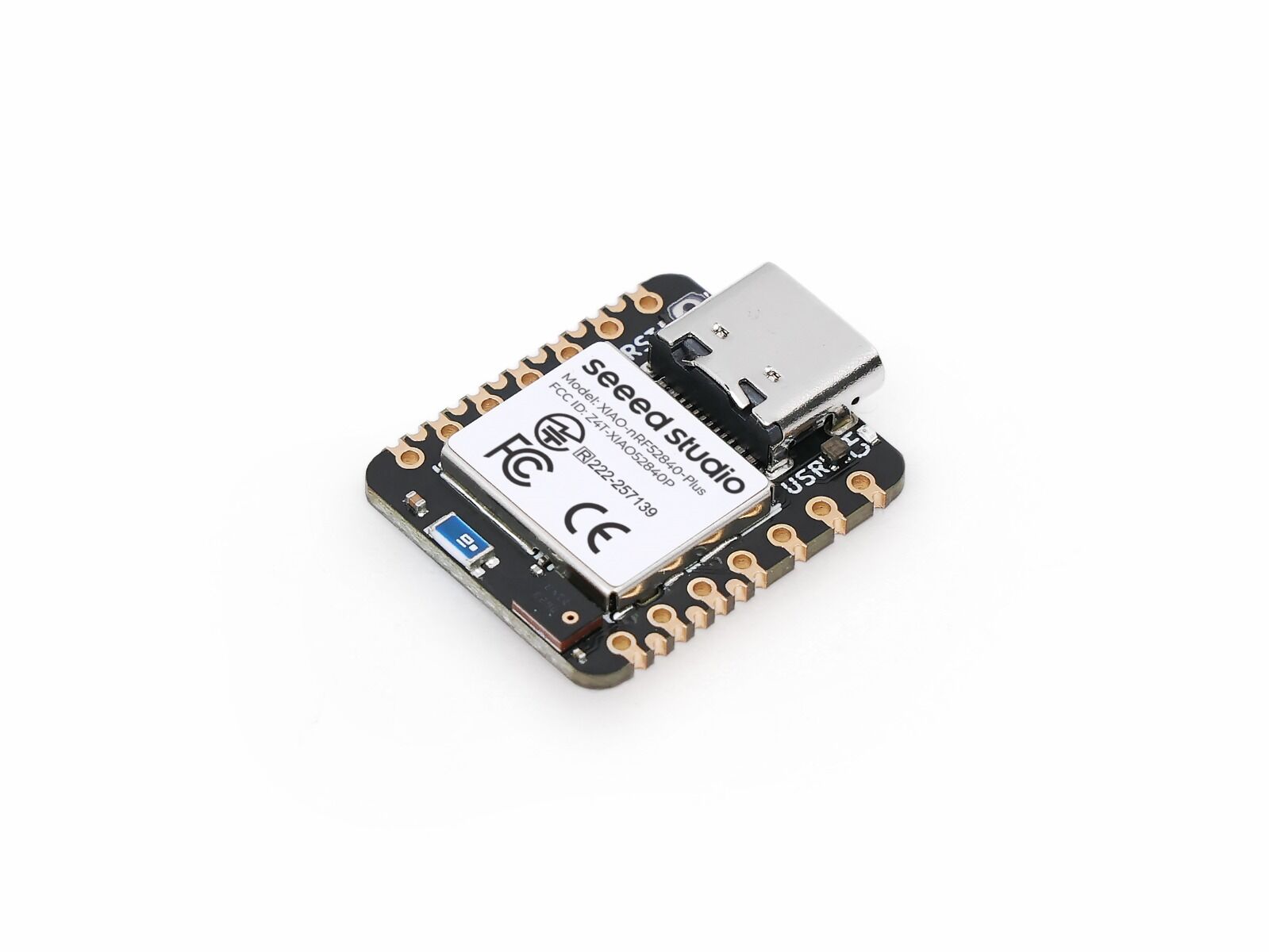
XIAO nRF52840
Intro: The XIAO nRF52840 is a tiny, ultra‑low‑power development board from Seeed Studio that’s fully compatible with Meshtastic. Despite its small size, it packs Bluetooth 5.0, LoRa support (via external modules), and flexible power options, making it ideal for discreet or wearable mesh nodes.
Key Features:
- MCU: Nordic nRF52840 ARM Cortex‑M4F (Bluetooth 5.0, BLE, NFC)
- Memory: 1 MB Flash, 256 KB RAM
- Connectivity:
- Native Bluetooth 5.0
- LoRa via external SX1262/SX1276 modules
- Power Options:
- USB‑C interface
- Li‑Po battery connector
- Ultra‑low‑power sleep modes for extended runtime
- Form Factor:
- Extremely compact (21 × 17.5 mm)
- 11 GPIO pins for expansion
- Programming: UF2 bootloader support for drag‑and‑drop firmware flashing
Considerations:
- Requires external LoRa module for full Meshtastic functionality (not built‑in like Heltec boards)
- Very small size limits antenna options and onboard features (no display)
- Best suited for wearable, discreet, or embedded nodes where space and power efficiency matter
- Less beginner‑friendly compared to T‑Beam or Heltec V3 — better for advanced operators comfortable with modular builds
- Ideal for custom enclosures, sensor integration, or stealth deployments in Iowa Mesh